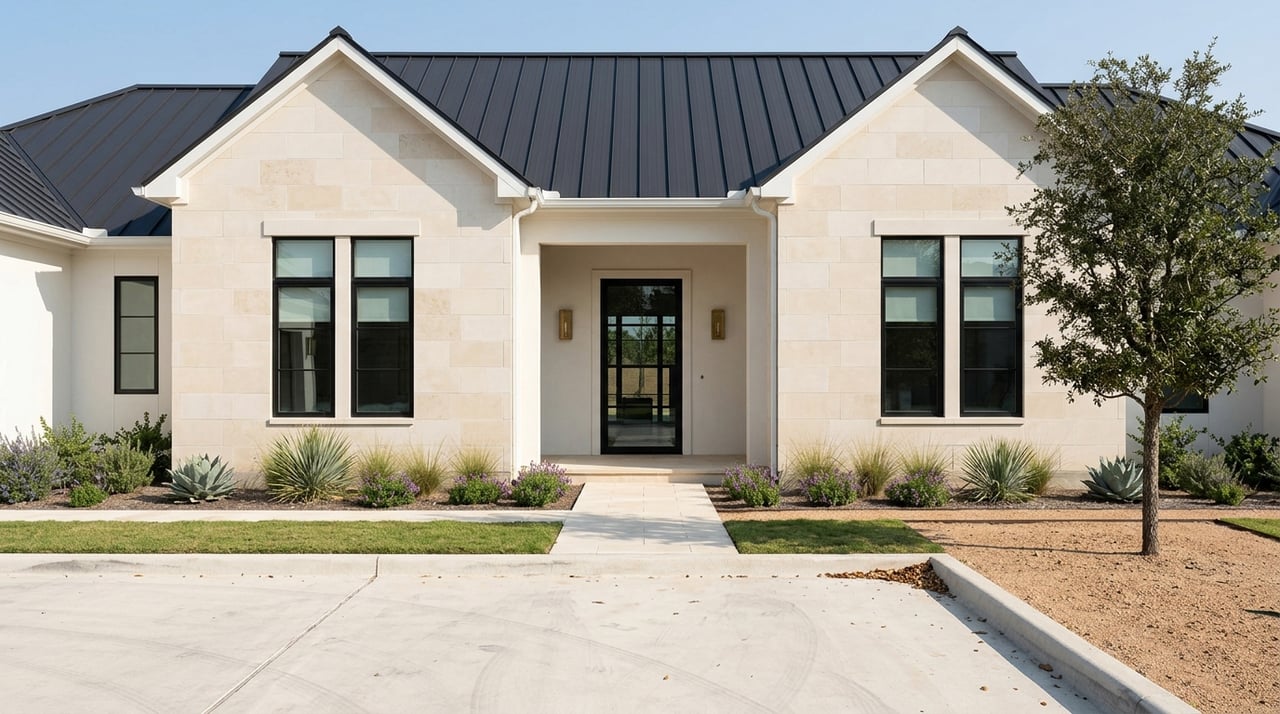
Wondering how to price your home in Pecos without leaving money on the table or watching the listing sit for months? That is a real concern in a smaller market where public numbers can look inconsistent and no two homes are exactly alike. The good news is that a smart pricing strategy can help you attract serious buyers, protect your negotiating position, and set realistic expectations from day one. Let’s dive in.
Why pricing matters in Pecos
Pricing a home in Pecos is not as simple as pulling one number from an online estimate. Public market pages for early 2026 show a wide spread in pricing signals, including a median home price of $255,000 on one Pecos market summary, a $220,000 median list price on a county page, and an average home value of $166,743 on Zillow. Those figures can offer context, but they use different data models and geographic boundaries, so they are not a replacement for local comparable sales.
That matters even more in a smaller, data-thin market like Pecos. The City of Pecos had 12,916 residents in the 2020 Census, and Reeves County’s July 2024 population estimate was 11,956. When sales volume is limited, your pricing strategy has to be more precise because one outdated or poorly matched comp can skew the whole picture.
Start with a strong CMA
A solid comparative market analysis, or CMA, is the foundation of the right list price. The best approach is to begin with the most comparable closed sales, contract sales, and active listings available. In practical terms, that means looking first at homes that closely match your property in neighborhood, property type, size, condition, and overall appeal.
In Pecos, finding a perfect match is not always possible. In lower-volume or rural markets, the best available comparable may be a little farther away or less exact than you would prefer. That does not make it useless, but it does mean each comp should be chosen carefully and explained clearly.
What a good comp should match
When reviewing comparable homes, focus on the features buyers are likely to notice and compare:
- Property type, such as single-family home or mobile home
- Location and immediate market area
- Square footage and layout
- Lot size
- Condition and level of updates
- Garage or parking features
- Roof age and visible maintenance
- Overall finish level and presentation
Pecos County Appraisal District’s 2023 annual report listed 4,860 single-family residential parcels and 660 mobile homes. That mix is a reminder that property type matters. A single-family home should not be priced based on less relevant inventory just because it is nearby.
Condition can change your price range
Two homes with the same bedroom count can still have very different market value. Buyers react to condition, quality, lot characteristics, and location details, not just the basic specs on paper. That is why adjustments should reflect how the market responds to those differences, rather than using rough rule-of-thumb numbers.
If your home has updated finishes, strong curb appeal, a newer roof, extra garage space, or a more functional lot, those details can support a stronger price. On the other hand, deferred maintenance, outdated finishes, or issues that limit buyer appeal may call for a more conservative launch price. The goal is not just to list high. It is to list where buyers see value and feel motivated to act.
Features that deserve a closer look
Some homes in Pecos need extra care when setting price because they do not fit the most common mold. These can include:
- Larger-than-standard lots
- Over-improvements for the area
- Unusual floor plans
- Nearby land uses that affect buyer demand
- Non-standard site characteristics
These features are not automatically good or bad. They simply mean your pricing strategy should be based on evidence from the most relevant competing properties, even if those properties come from a broader market area.
Older comps need context
In a market with fewer sales, older comps may still be useful. But they should not be used at face value if market conditions have changed since those homes went under contract. Time matters, especially when buyer demand, inventory, and days on market shift.
That is why pricing should include a clear market rationale for any older comparable. Instead of saying, “A similar home sold last year for this amount,” a better approach is to ask whether the market today supports the same number. In Pecos, where public pages already show longer marketing times, this step is especially important.
Price affects time on market
One of the biggest pricing mistakes is starting too high and assuming the market will catch up. In reality, a stale listing often becomes harder to sell, not easier. Buyers may start to wonder what is wrong with the property, even when the real issue is simply price.
That pattern shows up in the numbers. National data cited in the research report found that homes sold within 0 to 14 days had a 4.9% reduction from list to closing, while homes listed more than 120 days had a 13.5% reduction. In other words, the longer a home sits, the more likely it is to need a bigger discount.
In Pecos, public market summaries already point to relatively long marketing times. Realtor.com reported 150 median days on market for Pecos and 82 median days on market on the county page. For sellers, the takeaway is simple: your first price matters more than your future price cuts.
Avoid the online estimate trap
Online estimates and tax values can be tempting because they are quick and easy to find. But they are reference points, not final pricing tools. Tax appraisal districts estimate value for ad valorem tax purposes, which is a different purpose than setting a competitive market list price.
That difference matters if you want a strategy based on current buyer behavior. A tax value may not reflect your updates, your home’s true condition, or the current competition. Online estimates can miss the same details, especially in smaller markets where there are fewer recent sales to analyze.
How to price your home strategically
The strongest pricing plan usually lands within a realistic range, not at the highest imaginable number. That range should be built around the best available comps, adjusted for condition, features, and market timing. It should also reflect what buyers in Pecos are actually seeing when they compare your home to other active listings.
Here is what that process should look like:
- Review the most comparable recent closed sales.
- Compare your home to current active listings and pending sales.
- Adjust for differences in condition, lot size, features, and presentation.
- Account for any older comp dates with market-based reasoning.
- Choose a launch price designed to attract serious interest early.
- Monitor showing activity and feedback right away.
This approach helps you avoid pricing from emotion alone. It also gives you a clearer plan if the market response is weaker than expected.
What sellers should prepare
If you want the most accurate pricing conversation possible, come prepared with details that support your home’s value. This gives your agent more to work with when comparing your home to others and defending the list price with real evidence.
Bring items like these to the table:
- A list of upgrades and remodels
- Dates for major repairs or replacements
- Roof, HVAC, or appliance updates
- Notes about lot features or added parking
- Anything unusual for the neighborhood
- Known maintenance issues that may affect value
Small details can make a difference in a market where comps are limited. The more complete the picture, the more accurate the pricing strategy can be.
When to adjust your price
A price change is not a failure. It is a strategy decision. If your home is getting little showing activity or weak feedback early on, that may be a sign the market is not accepting the current price.
The key is to respond promptly. Waiting too long can cause your listing to age in place while buyers move on to newer options. Revisiting the price quickly, using fresh comps and current days-on-market data, can help you reset before the listing becomes stale.
Why local guidance matters
In a place like Pecos, pricing is part data and part local judgment. You need someone who can sort through limited inventory, separate broad online estimates from on-the-ground reality, and explain why one comp matters more than another. That is especially true if your property has uncommon features, a larger site, or a price point that does not have many close matches.
A thoughtful pricing strategy is about more than getting listed. It is about positioning your home to compete from the start, attract the right buyers, and protect your bottom line. If you are thinking about selling in Pecos, Marisa Florez, Realtor Golden Door Realty can help you build a pricing plan backed by local knowledge and data-driven insight.
FAQs
How should you price a home for sale in Pecos, Texas?
- Start with the most comparable recent sales, pending sales, and active listings, then adjust for your home’s condition, size, lot, features, and current market timing.
Are online home value estimates accurate for Pecos homes?
- Online estimates can provide a rough reference point, but they are not a substitute for a local CMA because Pecos is a smaller market with limited comparable sales and mixed public data sources.
Does overpricing a home in Pecos lead to longer time on market?
- Yes. Research cited in the report shows homes that stay on the market longer tend to sell with larger discounts, and public Pecos market pages already show relatively long median days on market.
Should you use tax appraisal values to set a listing price in Pecos?
- No. Tax appraisal values are used for ad valorem tax purposes and should be treated as a reference point, not the final basis for your market list price.
What home features matter most when pricing a Pecos property?
- Condition, updates, lot size, garage space, roof age, finish level, overall presentation, and any unusual site or location characteristics can all affect pricing and buyer demand.
When should you lower the price on a home listed in Pecos?
- If early showings are weak or buyer feedback points to value concerns, it is smart to revisit the price quickly using fresh comps and current market activity instead of waiting too long.