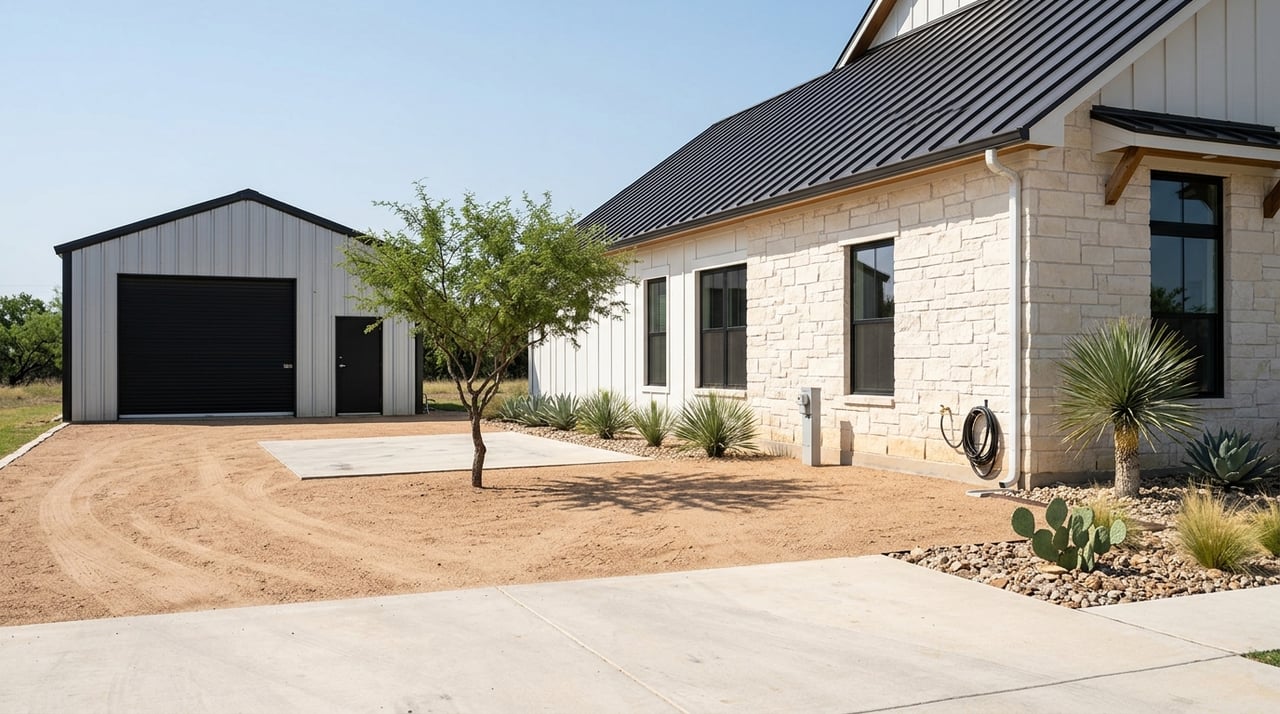
Wondering how to make your Barstow acreage work harder for you? If you own land in or around Barstow, TX, you may have more income potential than you think, but the right path depends on where the tract sits, how it is classified, and what local rules apply. This guide walks you through realistic ways to turn Barstow acreage into income, the key questions to answer before you lease or develop it, and the red flags to catch early. Let’s dive in.
Start With Location and Jurisdiction
Before you think about rent rates or lease terms, you need to know whether your land is inside Barstow city limits, outside city limits, or in the ETJ. That one detail can shape what uses are allowed and what approvals may be needed. The City of Barstow website provides local zoning information, and Texas A&M AgriLife notes that cities regulate land use within city limits while counties have much more limited authority.
If your tract is inside city limits, zoning and variance rules can matter right away. If it is outside city limits, you may have more flexibility, but you still need to review platting issues, access, easements, and private restrictions. In West Texas, those details often matter just as much as public rules.
Focus on Realistic Income Uses
Barstow and Ward County have a land-use pattern that is tied to agriculture and energy-related activity. According to the Ward County AgriLife profile, local agricultural activities include beef cattle, horses, goats, cotton, and alfalfa, while oil, gas, sand, and gravel are also important to the area. That makes some income ideas more realistic than others.
Agricultural Leases
For many owners, an agricultural lease is the most natural place to start. Grazing leases, hay arrangements, or ranching partnerships often fit the local land base better than a more intensive commercial concept. If your acreage is already being used for agricultural purposes, this route may also align more closely with existing tax treatment.
The Texas Comptroller’s agricultural appraisal guidance explains that land can qualify for agricultural special appraisal when it is devoted principally to agricultural use. That can include crops, livestock, poultry, fish, cover crops, and some wildlife management uses, depending on the facts.
Wildlife Management Transition
In some cases, landowners explore wildlife management as part of a longer-term plan. The Texas Parks and Wildlife Department guidance referenced in the research makes clear that this route requires a 1-d-1 application and a management plan, and timing matters. In general, the application must be submitted by May 1.
This option is not automatic, and it is not a shortcut. You would want to verify whether your tract qualifies and how that use fits with your current appraisal status before you make changes.
RV or Equipment Storage
Another practical path is storage. If the land has usable access and enough space, RV storage or equipment storage may create income without requiring the same level of buildout as a full operating business.
That said, storage is not just a “put up a fence and rent spaces” decision. If the property is in Barstow, the city zoning map and local rules should be checked first, especially if you expect steady truck traffic, utility hookups, or commercial activity.
Energy- or Ranch-Support Yards
In West Texas, some acreage owners lease land as a laydown yard, staging area, or seasonal storage site for ranch- or energy-related operations. Based on Ward County’s mix of agriculture and oil-and-gas activity, this can be a practical strategy in the right location.
The fit depends on access, surface conditions, title restrictions, and whether trucks and equipment can legally reach the property. This kind of use may sound simple, but it needs careful review before you advertise it or sign a lease.
Check Access Before You Market the Land
Access is one of the first things serious tenants will ask about, and for good reason. If trucks, trailers, or service vehicles cannot get to the tract legally and safely, your income potential may be limited no matter how attractive the rent sounds.
Barstow’s truck-route ordinance restricts vehicles over 10,000 pounds from residential streets except on Highway 516 and Highway 873. If your land-use idea depends on heavy vehicles, this is not a small detail. It can directly affect who can lease the land and how often they can use it.
Review Title, Easements, and Deed Restrictions
A tract can look wide open on a map and still have major legal limits. Texas A&M’s land-use guidance explains that restrictive covenants and easements are private land-use controls that may limit what you can do even when zoning does not. You can review that framework in this Texas Real Estate Research Center article.
Before you price the property for income use, review the title commitment carefully. You want to know whether there are recorded easements, access issues, or deed restrictions that could block storage, business use, or improvements.
Protect Your Ag Appraisal if Possible
If your land already benefits from agricultural special appraisal, you need to be careful about changing the use. The Texas Comptroller states that a change from agricultural to non-agricultural use can trigger rollback tax for the prior three years plus interest. It also notes that land inside an incorporated city or town faces extra qualification hurdles.
That does not mean you cannot earn income. It means you should confirm whether the new use will preserve or disrupt your current status before you sign anything. A lease that looks profitable on paper can become less attractive if it causes higher tax exposure.
Ward County Appraisal District also notes that it processes exemption and agricultural-appraisal applications between January 1 and April 30, and protests are due June 6 or 30 days from notice, whichever is later. You can find those deadlines on the Ward CAD FAQ page.
Plan for Septic and Utility Rules Early
If your income idea involves occupancy, bathrooms, RV hookups, or any wastewater system, check septic rules at the beginning, not the end. The Texas Commission on Environmental Quality says permits are generally required for on-site sewage facilities, and the City of Barstow points owners to Ward County septic permit information that prohibits boreholes, cesspools, and seepage pits.
TCEQ also describes a narrow 10-acre rule that can exempt some single-family dwellings on tracts of at least 10 acres if several conditions are met. That is a very specific exception, not a blanket rule for all land uses.
Utility setup matters too. If city services are involved, Barstow distinguishes between residential, rental, and commercial accounts on its application for service page. For RV hookups in particular, the city also states on its one-meter rule page that any residence found with more than one home connected, including RVs, will be converted from residential rates to commercial rates.
Ask These Questions Before You Lease
Before you market your acreage to a tenant or business user, work through this checklist:
- Is the tract inside Barstow city limits, outside city limits, or in the ETJ?
- Does the zoning, if applicable, match the proposed use?
- What does the title commitment say about easements, access, and deed restrictions?
- Can trucks, trailers, or customers reach the site legally?
- Will the use affect current agricultural appraisal or create rollback tax risk?
- Does the plan require septic permits or wastewater review?
- Will utility accounts be treated as residential, rental, or commercial?
- Have you confirmed deadlines and requirements with Ward CAD if special appraisal is involved?
Answering those questions first can save you time, money, and frustration later.
Match the Strategy to the Land
Not every tract should be used the same way. Some parcels are better suited for grazing or hay because they already fit the local agricultural pattern. Others may work better for storage or support-yard use because of access, road position, or surface layout.
The best income plan is usually the one that matches the property’s location, legal limits, and existing tax posture. In other words, the highest-rent idea is not always the smartest one.
When to Bring in Professional Help
Some land decisions are simple, but many are not. If the title documents are unclear, the zoning is uncertain, or the tax consequences are significant, Texas A&M advises real estate professionals to gather information and recommend qualified lawyers when land-use documents are ambiguous or complex.
For a Barstow acreage income plan, a Texas real estate attorney and a tax professional are the right final reviewers before you commit. And if you are still deciding whether to lease, hold, or sell, working with a local land-focused agent can help you compare those options in a practical way.
If you want help evaluating your Barstow acreage, pricing it for the current market, or deciding whether a lease or sale makes more sense, connect with Marisa Florez, Realtor Golden Door Realty. You will get local insight, clear guidance, and support tailored to West Texas land owners.
FAQs
What are the best income uses for acreage in Barstow, TX?
- The most realistic options based on local land use are agricultural leases, hay or grazing arrangements, RV or equipment storage, and energy- or ranch-support yard uses, depending on access, zoning, and title restrictions.
Does Barstow, TX zoning apply to all acreage near town?
- No. Zoning depends on whether the tract is inside Barstow city limits. Land outside city limits may not be zoned by the county, but other rules, platting requirements, easements, and deed restrictions can still apply.
Can a Barstow landowner earn income and keep agricultural appraisal?
- Maybe. The land must still qualify under Texas agricultural appraisal rules, and a change to non-agricultural use can trigger rollback tax plus interest, so you should verify the exact use with the appraisal district before signing a lease.
Do RV hookups on Barstow acreage require extra review?
- Yes. RV hookups can involve occupancy, wastewater, and utility classification issues, and the City of Barstow states that properties with more than one home connected, including RVs, may be converted from residential to commercial utility rates.
Should a Barstow acreage lease be reviewed by an attorney or tax professional?
- Yes. If the lease involves unclear restrictions, tax questions, septic issues, or commercial land use, a Texas real estate attorney and a tax professional should review the plan before you move forward.