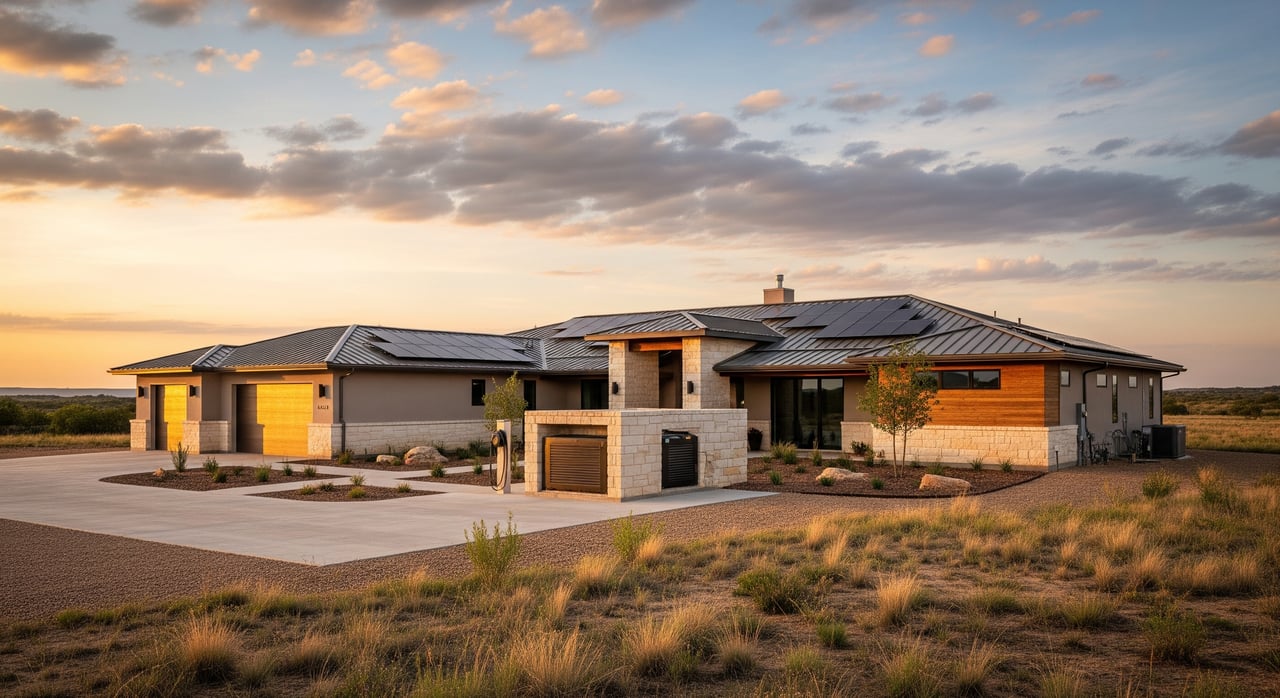
Summer in Kermit can push your AC to its limit and your bills along with it. If you want a cooler home, lower monthly costs, and a stronger resale story, smart energy upgrades can help. You do not need a complete gut renovation to see results. This guide shows you which improvements work best in West Texas, how to prioritize them, and where to find incentives. Let’s dive in.
Why Kermit homes benefit from upgrades
Kermit sits in a hot, dry region where cooling is your biggest energy expense. The strong sun also means rooftop solar can perform well. Outdoor dust from seasonal winds and oilfield activity can creep into leaky ducts and filters, so sealed ductwork and good filtration matter. When you target these local conditions, you cut waste and improve comfort at the same time.
Start with an energy checkup
Begin by gathering a year of utility bills to see your seasonal peaks. A professional energy audit with a blower-door and duct leakage test gives you a clear roadmap. You can also do a simple DIY check for obvious leaks and insulation gaps before calling a pro. Use the audit to prioritize fixes with the fastest payback.
Cut the heat before it enters
Air sealing and attic insulation
Sealing gaps around attic penetrations, recessed lights, and rim joists, then adding attic insulation, reduces heat gain and eases your AC load. The U.S. Department of Energy’s Energy Saver explains how air sealing and insulation work together to keep your home cooler in hot climates. Review the guidance on the Energy Saver site for practical tips and typical benefits from these measures (Energy Saver).
Radiant barriers and attic ventilation
In hot climates, a radiant barrier in the attic can lower attic temperatures and help your AC. Pair it with correct insulation and a ventilation plan that protects indoor air quality. Your contractor can advise if your attic design favors a vented or sealed approach.
Window and shade strategies
Reduce solar heat on west and south exposures. Window films or low-e storm windows, exterior shades or awnings, and interior reflective treatments can make a noticeable difference at a lower cost than full window replacement. Planting drought-tolerant shade trees on hot exposures also cuts heat gain over time.
Make your cooling work smarter
High-efficiency AC or heat pumps
If your system is old, consider a high-SEER central AC or a modern heat pump. In Kermit’s mild winters, heat pumps provide efficient heating and cooling year-round when sized and charged correctly. Look for guidance and product criteria from ENERGY STAR and work with a licensed HVAC pro to right-size your system.
Duct sealing and insulation
Leaky or uninsulated ducts in a hot attic can waste a lot of cooling. Sealing seams and insulating ducts improves comfort in far rooms and keeps dust out. Ask your contractor for a duct leakage test and photographs of sealed joints so you can document the work.
Fans, zoning, and maintenance
Ceiling fans help you feel cooler at a slightly higher thermostat setting, which saves energy. Zoning or smart dampers can reduce conditioning in rooms you are not using. Keep filters clean and schedule coil and refrigerant checks to maintain peak efficiency.
Put West Texas sun to work
Kermit’s strong solar resource makes rooftop solar a compelling option after you reduce your home’s energy load. The federal Residential Clean Energy Credit can lower your cost when you meet the IRS rules, and Texas offers a property tax appraisal exemption for solar energy devices. Review current rules and documentation needs in IRS guidance and check local programs through DSIRE. To estimate production on your roof, use NREL’s PVWatts tool with a Kermit address.
Batteries can add resilience during outages and can help manage time-of-use or demand charges where available. Always confirm interconnection requirements and any buy-back or credit rates with your local utility or electric cooperative before you size a system.
Water heating and inside-the-home wins
Heat pump water heaters run efficiently in warm climates and can trim electric water heating costs. If replacement is not due yet, insulate your water heater and hot water pipes, fix leaks, and set the thermostat to about 120 degrees. For appliances, choose ENERGY STAR models when you are ready to upgrade. Replace remaining incandescent and halogen bulbs with LEDs; DOE notes that LEDs use substantially less energy and last longer (Energy Saver).
Landscape and roofing choices that cool
Plant drought-tolerant shade trees or install exterior shade screens on west and south sides. Choose lighter or reflective roofing at your next reroof to reduce heat gain. Xeriscaping and efficient irrigation lower outdoor water use and maintenance.
What it costs and where to start
- Low-cost, high-impact: air sealing, duct sealing, attic insulation, LED lighting, thermostat programming, HVAC tune-ups.
- Medium-cost: window films or exterior shading, ceiling fans, heat pump water heaters, high-efficiency HVAC replacement when the old unit is failing.
- Higher-cost: full window replacement, major re-insulation projects, and solar with optional storage. Solar can still offer strong value in high-sun regions when incentives and utility rules align.
Actual savings depend on your home’s condition and use. An energy audit provides the best estimate for your situation.
Permits, incentives, and financing in Kermit
Most major projects, like HVAC replacement, solar, or electrical upgrades, need permits. Confirm requirements with the City of Kermit or Winkler County before work begins, and make sure your contractor pulls permits and schedules inspections. For incentives, review the federal Residential Clean Energy Credit at the IRS site and search Texas programs in DSIRE. Local utilities and co-ops may offer rebates for HVAC, heat pumps, water heaters, or insulation, so check their pages as well.
Financing options range from cash and home equity to dedicated efficiency or solar loans. If you plan to sell soon, discuss transferability and any liens tied to financed equipment with your agent.
A simple plan for Kermit homeowners
- Gather 12 months of utility bills to find your biggest seasonal costs.
- Schedule an energy audit with blower-door and duct tests or do an initial DIY review.
- Tackle low-cost items first: air and duct sealing, attic insulation, LEDs, thermostat settings.
- Evaluate HVAC condition and replace with high-efficiency AC or a heat pump when warranted.
- Size solar after you cut loads, then compare quotes and confirm interconnection rules and incentives.
- Keep records: invoices, permits, warranties, and performance data for future buyers.
How upgrades support resale value
Buyers value lower operating costs and clear documentation of improvements. Research and market experience show that energy efficiency and solar can improve a home’s marketability, especially when systems are owned and well documented. For an overview of how solar has been linked to sale premiums in various markets, see the Lawrence Berkeley National Laboratory publications directory (LBNL).
Ready to plan your next step or position your home for a stronger sale? As a West Texas local with modern, data-driven marketing, I can help you prioritize upgrades, organize documentation, and highlight energy features that matter to buyers. Reach out to Marisa Florez, Realtor Golden Door Realty to talk strategy or to Get Your Instant Home Valuation.
FAQs
What are the best first steps to cut cooling costs in Kermit?
- Start with air sealing, duct sealing, and attic insulation, then add LED bulbs and thermostat programming for quick, low-cost savings.
Do heat pumps make sense in Kermit’s climate?
- Yes; mild winters and long cooling seasons favor heat pumps, which deliver efficient heating and cooling when properly sized and installed.
How can I estimate solar output for my Kermit roof?
- Use NREL’s PVWatts with your address and roof details to model expected production after you reduce your home’s energy loads.
Are there incentives for solar or efficiency upgrades in Winkler County?
- The federal Residential Clean Energy Credit may apply to solar, and Texas and local programs can be found through DSIRE; always verify current rules before you buy.
Do I need permits for HVAC or solar in Kermit?
- Most HVAC replacements, electrical work, and solar installs require permits; confirm with the City of Kermit or Winkler County and ensure your contractor handles permits and inspections.
Will energy upgrades help my home’s resale?
- Documented upgrades and lower utility bills can increase buyer confidence and marketability, and studies show owned solar has added value in many markets.